Showing posts with label endometrial scratch. Show all posts

Thursday, July 5, 2018

News from ESHRE 2018: Endometrial scratch does not result in more pregnancies


Endometrial scratch is often offered as an adjuvant therapy to improve the IVF success rates, but the results of a large randomized control trial have shown that the “add-on” procedure does not improve the pregnancy or live birth rates. The study results were presented at the European Society of Human Reproduction and Embryology (ESHRE) 34th annual conference in Barcelona, Spain by Dr. Sarah Lensen, a researcher from the University of Auckland, New Zealand.

The study involved 1300 women who underwent IVF across 13 fertility centers in 5 countries (New Zealand, UK, Belgium, Sweden and Australia).

It is proposed that causing injury to the endometrial lining invokes an inflammatory response that helps create a favorable environment for the implantation of the embryo. A survey conducted in Australia, New Zealand, and the UK by Lensen and colleagues in 2016 revealed that about 83% of physician offer endometrial scratch to patients before IVF cycles, especially those who have recurrent implantation failure.

Lensen said in a statement at the conference, "Results from earlier studies have suggested a benefit from endometrial scratching in IVF, especially in women with previous implantation failure. However, many of these studies had a high risk of bias in their design or conduct and did not provide strong evidence. There was still uncertainty about the validity of a beneficial effect."

The women in the study group (690) received an endometrial scratch performed by Pipelle cannula between day 3 of the preceding cycle and day 3 of the IVF/embryo transfer cycle, while the control group (674) didn’t receive any such treatment.

In this intent to treat analysis, the clinical pregnancy rate in the endometrial scratch group was 31.4% and in the control group 31.2%; live birth rates were 26.1% in the former and 26.1% in the latter. No difference was seen in rates of biochemical pregnancy, ectopic pregnancy, or multiple pregnancies among both the groups.

The researchers also looked at other side effects of endometrial scratch and found that the median pain score for the procedure was 3.5. Women also suffered from vasovagal attack, excessive pain, and excessive bleeding. 

“Our results contradict those of many studies published previously,” said Lensen, “and, although our trial was the largest and most robust study undertaken so far, it can be difficult for one trial to change practice. However, there are other trials underway at the moment, including two large studies from the Netherlands and UK. Nevertheless, even based just on our results, I think clinics should now reconsider offering endometrial scratch as an adjuvant treatment.”


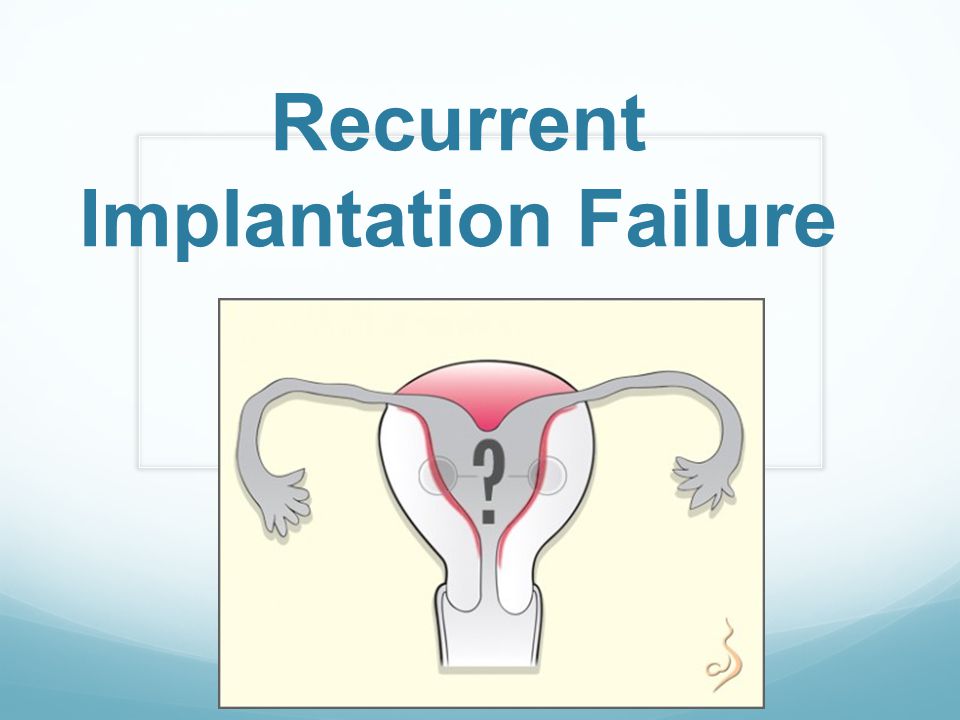
Monday, July 17, 2017

New treatment option for recurrent implantation failure on the horizon: Short term copper IUD

Pinterest.com

Placement of Cu-IUD during hysteroscopy for two cycles can up the pregnancy rates in patients with RIF says results of a study published in July issue of Journal Fertility and Sterility.

Recurrent Implantation Failure (RIF) is very frustrating for patients and physician both. Over the decades, few research study have emerged forward about the etiology and therapeutic options.
 Constitutive, as well as mature defects of endometrium have been put forward as one of the etiology.

Treatments have largely been costly and empirical, mainly consisting of hysteroscopy, controlling endometrial infections, evaluating and treating any structural defects of the uterine cavity, changing the endometrial milieu, alternative medicines, Low molecular weight heparin and controlled endometrial injury and immunomodulation. 

Controlled endometrial injury or endometrial scratch has long been used as a treatment option in recurrent pregnancy loss. The injury results in increased vascularity and bring about implantation. However, a systematic literature review failed in establishing definite therapeutic benefits. Diagnostic hysteroscopy also works along the same line but still lacks robust evidence in its favor.

In this retrospective study Mao et al. from Shanghai Jiaotong University School of Medicine, Shanghai, People's Republic of China have evaluated an offbeat approach for the treatment of RIF. 

The team of researchers placed Cu-IUD for two cycles in women with RIF while they were undergoing hysteroscopy.

They postulated that even after removing the IUD after two cycles, the altered endometrial environment because of foreign body persists much like the ‘endometrial scratch.’

The study recruited 440 women, with a history of at least two failed embryo transfers with good quality embryos. At the time of diagnostic hysteroscopy, the patients were offered a choice of getting a IUD for two months.

Out of which, 382 patients opted for IUD, while 58 patients refused the treatment option. All 382 patients underwent a repeat diagnostic and, if needed, therapeutic hysteroscopy followed by frozen embryo transfer cycle.

The demographics of both the groups were similar. Women who opted for IUD had a significantly higher implantation rate (29.29% vs. 16.56%), chemical pregnancy rate (53.25 vs. 41.38%), and clinical pregnancy rate (45.13% vs. 26.44%) than the non-IUD group.

After multivariate regression analysis, chemical pregnancy rates were significantly more in IUD users. It was also interesting to note a higher number of IUD users suffered from some kind of uterine pathology like polyps, endometritis and polypoid proliferations but, they did not affect the clinical pregnancy rate.

The study has several limitations in the way of sample size, selection bias and retrospective nature along with confounding effect of second look hysteroscopy in IUD users. The IUD use also may have prevented further adhesions formation in that group.

The question about the type of endometrial injury, duration of foreign body in situ and type of changes in the endometrium that is beneficial in increasing endometrial receptivity remain unanswered.

But, this study does bring forward a novel treatment option that is worth investigating in future.

Primary Source: Novel approach to recurrent implantation failure: short-term copper intrauterine device placement
Goodman, Linnea R. et al.
Fertility and Sterilit , Volume 108 , Issue 1 , 42 - 43